FEATURED CASE STUDY · HEALTHCARE LEARNING
Reducing Cognitive Friction in Enterprise Healthcare Learning
How accessible learning architecture, multimedia, and workflow automation supported geographically distributed healthcare teams in a complex enterprise environment.
ROLE
Instructional Designer Remote - Temporary fill-time
SETTING
Geographically distributed healthcare teams across Vancouver Island
COLLABORATORS
Clinical informatics specialists, SMEs, learning designers, and leaders
TOOLS
Confluence, Cerner-related content, Word automation, Camtasia, and Adobe
Island Health · Instructional design for electronic health record activations · 2023–2025
Respecting confidentiality
Confidentiality note: This case study describes design methods, responsibilities, and non-confidential outcomes. Proprietary clinical content, patient information, internal screenshots, and restricted system details are intentionally excluded.
THE CHALLENGE
Clarity inside a complex, changing system
Enterprise healthcare learning must support busy professionals working in complex, high-consequence environments. Learners need accurate information, clear navigation, and practical guidance without unnecessary cognitive burden.
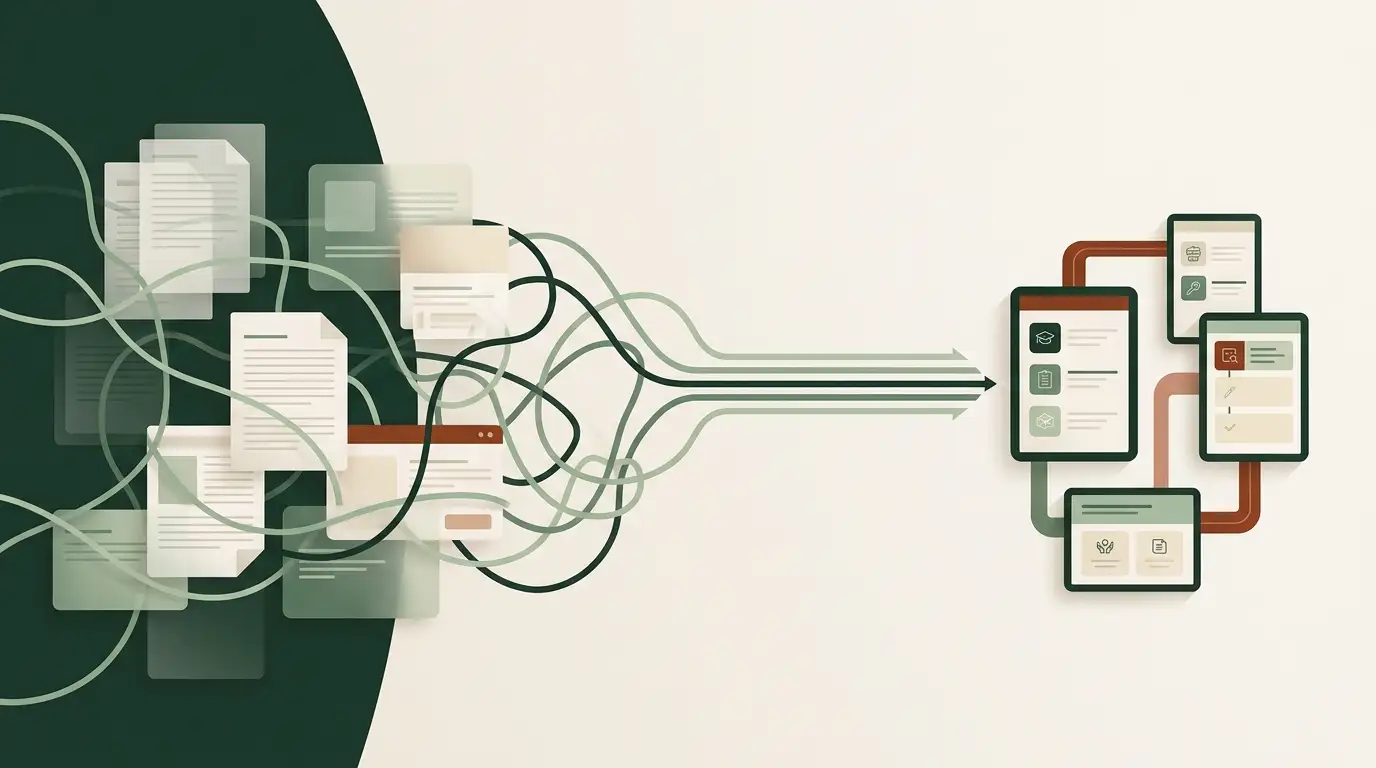
At Island Health, I supported education and training for multiple electronic health record activations across Vancouver Island. The work required online resources to remain aligned with evolving systems, clinical workflows, implementation schedules, and platform requirements.
My role was not to reinterpret clinical practice. It was to give approved content a clearer instructional structure and make it easier to find, understand, maintain, and use.

LEARNING ARCHITECTURE
Structured journeys for distributed healthcare teams
I helped develop and maintain learning resources for clinical program areas that included:
- Adult Critical Care
- Mental Health and Substance Use – Adult
- Cardiac Short Stay
- Heart Catheterization Laboratory
Working with clinical informatics specialists and subject-matter experts, I translated detailed source material into organized online pathways while respecting content governance and clinical authority.
Reducing cognitive friction
Navigation, accessibility, and usability
I improved the learner experience through more consistent content structures, clearer navigation and tables of contents, expandable information patterns, progress and assessment elements, reusable templates, and accessibility improvements across devices.
Concise instructional videos supported complex or frequently repeated processes without adding unnecessary cognitive load.
Measured workflow result
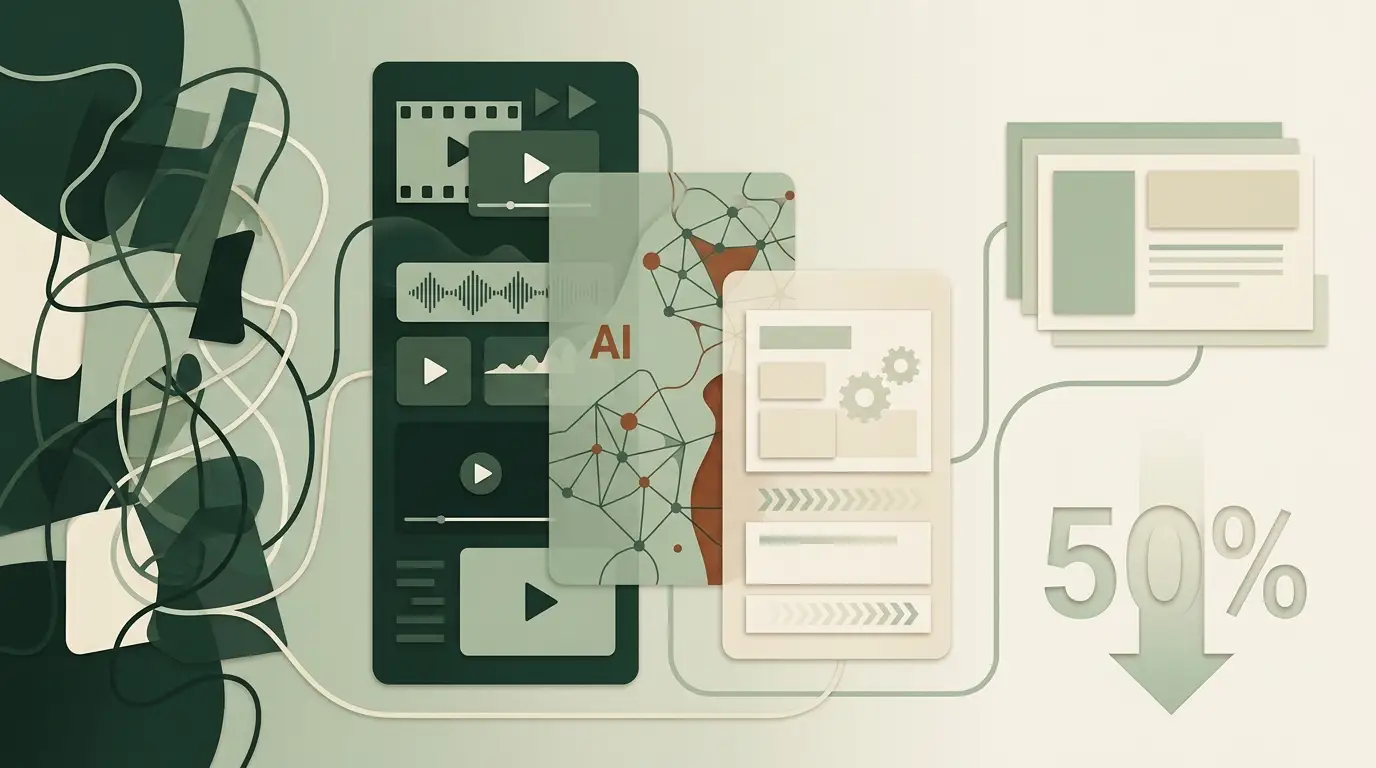
>50%
reduction in production time on selected repetitive workflows.
WORKFLOW IMPROVEMENT
Automating repetition without automating judgment
Large numbers of enterprise knowledge-base pages required repetitive editing, tagging, formatting, and quality checks during Confluence and Cerner-related platform changes.
I developed custom Microsoft Word macros and supporting workflows to automate several high-volume editing tasks. I also produced short video tutorials so colleagues could understand and reuse the processes.
For workflows where comparative timing was available, automation reduced production time by more than 50 percent. It also increased consistency and returned time to instructional review and learning quality.
Purposeful multimedia
Multimedia problem-solving
I produced and revised instructional media using Camtasia, Adobe Creative Cloud, and selected AI-assisted techniques. The work included repairing uneven audio, revising narration when late script changes made full re-recording impractical, improving video pacing, simplifying reusable media templates, and producing concise tutorials.
AI-assisted techniques were used selectively, with human review and instructional purpose governing each decision.
RESULTS
Practical improvements that supported the work
- Learning resources for multiple electronic health record activations
- More structured and navigable online learning journeys
- Improved accessibility and usability across devices
- Reusable templates and instructional-media practices
- More than 50% production-time savings on selected repetitive workflows
- Knowledge sharing through concise internal video tutorials
My temporary appointment was extended into a second year based on performance and project needs.
Additional contribution
I participated as a designer and opening presenter in Island Health’s 2025 Code Hack event. Working with a multidisciplinary team, I helped develop and communicate a healthcare innovation concept centred on human dignity and social connection.
WHAT THIS WORK DEMONSTRATES
Designing responsibly inside enterprise constraints
This experience strengthened my ability to collaborate respectfully with clinical experts, turn dense technical material into usable learning structures, and balance accessibility, consistency, accuracy, and implementation deadlines.
It also clarified where I make my strongest contribution: accessible learning architecture, educational technology, multimedia, and sustainable course-development workflows.
THE CHOICE IS YOURS
Possible Next Steps